
The Benefits of Baggage Scanners for Your Business

Heatmaps and Movement Analytics: Optimizing Safety in High-Traffic Facilities
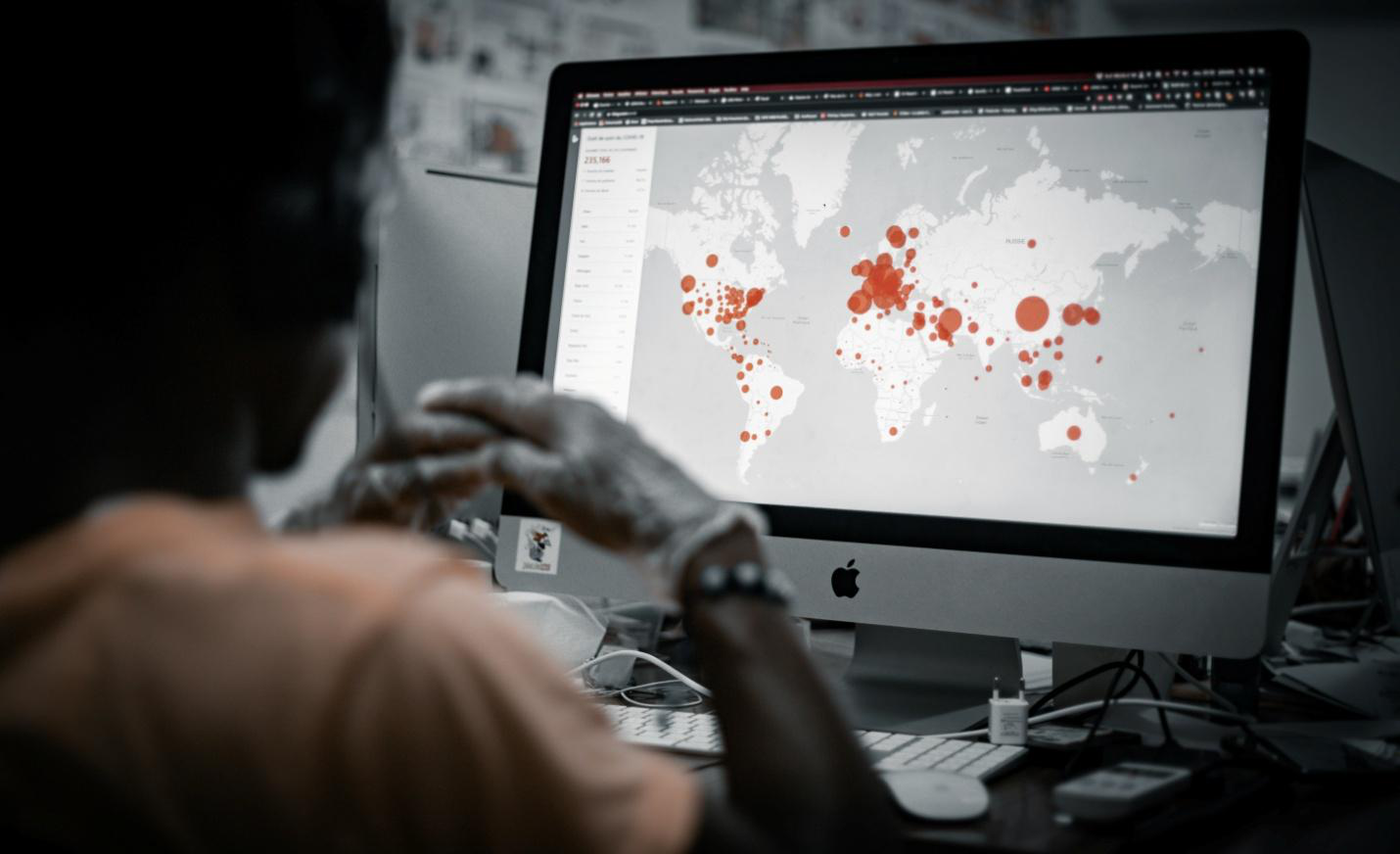
High-traffic facilities demand more than cameras and checkpoints; they require intelligence. As offices, public venues, and critical infrastructure grow busier, understanding how people move becomes essential to preventing risk. Here’s how heatmaps and movement analytics help organizations anticipate congestion, manage access, and protect occupants without disrupting operations. What Are Heatmaps and Why Do They Matter in Security Planning? Heatmaps are visual representations of movement density created through video analytics that track how people navigate physical spaces. In high-traffic facilities, these visual layers reveal where crowds gather, slow down, or bottleneck. When paired with next gen security access control, heatmaps transform raw surveillance footage into actionable intelligence. Instead of relying on assumptions or static layouts, facility managers gain real-time insight into how spaces are actually used. This data-driven visibility allows organizations to design safer environments, improve evacuation planning, and reduce congestion-related incidents in offices, transport hubs, healthcare facilities, and government buildings. How Does Movement Analytics Track Crowd Flow Accurately? Movement analytics use AI-powered video processing to detect motion paths, dwell time, and directional flow. Cameras installed alongside a building access control system in Qatar anonymously track how individuals move through entry points, corridors, and shared areas. These systems do not identify personal details, but instead focus on behavioral patterns. According to research, facilities using movement analytics reduced crowd congestion incidents. When combined with next gen security access control, organizations can correlate movement data with access permissions to identify unusual activity or unauthorized flow. How Do Heatmaps Identify Safety Risks Before Incidents Occur? Heatmaps reveal patterns invisible to the human eye during live monitoring. Persistent crowd buildup near exits, stairwells, or elevators can signal evacuation risks. In facilities using a people access control system, access logs synchronized with heatmaps help security teams understand why congestion occurs. By integrating analytics with a door access control system in Qatar, access permissions can be dynamically adjusted to redistribute foot traffic and prevent dangerous crowd density. Why Is Access Control Integration Critical for High-Traffic Environments? Standalone surveillance systems provide visibility, but access control adds authority. When heatmaps are linked with next gen security access control, organizations can automatically regulate entry based on real-time conditions. For example, doors can temporarily restrict access during peak congestion or redirect traffic to alternate routes. Systems such as Matrix access control allow administrators to manage permissions centrally across multiple facilities. How Do Biometric Systems Enhance Movement Accuracy and Safety? A biometric access control system enhances movement analytics by ensuring that only authorized individuals enter monitored zones. While heatmaps track flow anonymously, biometric checkpoints validate identity at critical access points. This layered approach prevents tailgating and unauthorized entry that can distort analytics data. Airports and hospitals increasingly rely on biometric-enabled analytics. According to a study, biometric access control systems provide a contactless way of verifying identity in airport environments, improving processes like border control and passenger movement while enhancing detection of fraud and unauthorized entry. Can Heatmaps Improve Operational Efficiency Beyond Security? Yes, heatmaps offer value beyond risk mitigation. Facility planners use analytics to optimize layouts, staffing, and maintenance schedules. In commercial offices, movement data highlights underutilized areas and overcrowded zones. Retail and hospitality environments leverage insights to improve guest experience and reduce wait times. When combined with a building access control system in Qatar, organizations can align access privileges with actual usage patterns. This results in smoother operations, reduced operational costs, and safer daily movement for occupants and visitors alike. What Are the Compliance and Privacy Benefits of Analytics-Based Security? Modern analytics prioritize privacy by design. Heatmaps analyze movement patterns without storing personal identifiers, supporting compliance with regional data protection standards. When paired with a door access control system in Qatar, identity verification remains secure at access points while movement data stays anonymized. According to research, organizations using privacy-first analytics experience higher public trust and fewer compliance challenges. This balance allows facilities to enhance safety without compromising ethical or regulatory obligations. What Should Organizations Consider When Implementing These Systems? Successful implementation begins with understanding traffic patterns, risk zones, and operational goals. Facilities must ensure camera placement aligns with access points and critical corridors. Integration with a people access control system ensures movement insights translate into real-time control actions. Common Questions About Heatmaps and Movement Analytics Are heatmaps intrusive to personal privacy? No, heatmaps analyze anonymous movement data and do not capture personal identities. Can analytics work in low-light or crowded conditions? Yes, advanced video analytics are designed to function accurately in challenging environments. Do these systems require constant manual monitoring? No, automated alerts reduce the need for continuous human supervision. Are analytics suitable for government and healthcare facilities? Yes, they are widely used in regulated, high-security environments. Why Adax Business Systems Leads Intelligent Safety Optimization In high-traffic environments, safety depends on understanding how people move, gather, and respond. Adax Business Systems delivers intelligent solutions that combine video analytics with a robust security access control system to create safer, smarter facilities. From heatmaps and movement analytics to a smart card access control system, biometric access control system, and advanced Matrix access control supplier for Qatar, we support government, commercial, healthcare, and infrastructure clients with precision and reliability. Their integrated approach enhances visibility, optimizes crowd flow, and ensures compliance across complex environments. Ready to transform crowd safety into a strategic advantage? Contact us today to deploy intelligent analytics and access control solutions designed for high-traffic, high-security environments.

Predictive Access Management: Using Data to Anticipate Security Breaches
Every access event inside a facility tells a story. A door opened late at night, a badge used outside normal hours, or a biometric scan during unexpected attendance patterns can signal more than routine activity. Predictive access management transforms these everyday data points into early warnings, allowing organizations to anticipate security risks before they escalate into breaches. Here’s a detailed guide on how predictive systems shift access control from passive monitoring to intelligent, forward-looking protection. What Is Predictive Access Management? Predictive access management applies AI and analytics to historical and real-time access data to identify trends, anomalies, and potential threats. Instead of responding after incidents happen, systems evaluate behavioral patterns across the building access control system to forecast unusual or risky activity. This approach helps organizations prevent breaches rather than simply investigate them. Why Are Organizations Moving Toward Predictive Security Models? Traditional door access control reacts to violations after they occur. Research indicates that security strategies are increasingly prioritizing predictive and preventative capabilities as organizations face complex internal and external threats. Predictive access management supports this shift by enabling earlier intervention based on data-driven insights rather than manual observation. How Does AI Analyze Biometric and Card Access Logs? AI processes large volumes of biometric scans, swipe card records, and access timestamps to establish normal behavior baselines. Systems connected to a door access control system in Qatar learn expected entry times, locations, and frequencies for each user. Deviations from these patterns, such as access attempts at unusual hours, trigger alerts for further review. How Are Attendance Trends Used to Forecast Risk? Attendance data adds critical context to access decisions. When AI analyzes records from a time attendance system, it can correlate absences, shift changes, and leave patterns with access behavior. According to a data breach report, organizations with fully deployed AI and automation in security had an average breach life cycle 108 days shorter than those without automation, demonstrating how correlated data and automated insights improve anomaly detection and response. What Role Do Smart Cards and Biometrics Play? A smart card access control system provides structured, timestamped data that AI can easily analyze. Biometric systems enhance this by verifying identity accuracy. Deployments using a biometric attendance system in Qatar reduce credential sharing, allowing predictive models to rely on higher-quality identity data. Accurate inputs are essential for meaningful forecasts. How Does Predictive Access Management Reduce Insider Threats? Insider threats often emerge through gradual behavior changes rather than overt policy violations. Predictive access management monitors patterns such as repeated access to sensitive areas, unusual entry times, or deviations from normal attendance routines. By identifying these shifts early, security teams can investigate potential risks, adjust permissions, and intervene before minor irregularities escalate into serious security incidents. How Predictive Systems Work Across Multiple Facilities? Predictive platforms integrate data from multiple sites into centralized dashboards. Organizations using Matrix access control solutions benefit from unified visibility across offices, campuses, and industrial sites. This allows AI to compare behavior across locations and identify risks that may not be visible within a single facility. What Are the Operational Benefits Beyond Security? Predictive access systems also improve efficiency. Automated alerts reduce the need for constant manual monitoring. Security teams focus on high-risk events rather than reviewing routine logs. Research on analytics-driven operations suggests that predictive insights improve decision-making speed and resource allocation, supporting both safety and productivity. How Is Predictive Access Applied in Qatar-Based Industries? Government and Public Sector Government entities require advanced protection for sensitive facilities. Predictive analytics help identify abnormal access behavior early while maintaining smooth operations for authorized staff. Banking and Financial Institutions Banks use predictive models to monitor access to vaults, data centers, and restricted offices, strengthening compliance and internal risk management. Construction and Industrial Sites Large sites with rotating workforces benefit from predictive monitoring that aligns attendance trends with access permissions, reducing unauthorized entry risks. What Are the Key Implementation Considerations? Successful predictive access management requires: High-quality access and attendance data Integration between access, attendance, and HR systems Clear alert thresholds and escalation workflows Ongoing model refinement and review Organizations should ensure that predictive access management systems support transparency and align with internal policies. Frequently Asked Questions 1. What data does predictive access management analyze? It analyzes biometric logs, card swipes, attendance records, and access timestamps. 2. Does predictive access replace traditional security controls? No. It enhances existing controls by adding forecasting and early detection capabilities. 3. Are predictive systems suitable for medium-sized organizations? Yes. Scalable platforms support organizations of varying sizes and complexity. 4. How accurate are predictive alerts? Accuracy improves over time as AI models learn normal behavior patterns. 5. Is data privacy maintained? Yes. Systems use encryption, access controls, and compliance frameworks to protect data. Predictive Security Solutions with Adax Business Systems Adax Business Systems delivers advanced solutions that help organizations move from reactive to predictive security strategies. By combining intelligent analytics with a reliable smart card access control system, enterprises gain early visibility into potential risks. Our team integrates accurate fingerprint attendance data, advanced Matrix Argo face recognition system technologies, and scalable cloud based attendance system platforms to strengthen predictive insights. Complemented by secure perimeter solutions such as automatic barrier arm gates, Adax supports government, banking, construction, healthcare, and commercial clients across Qatar. With expert design, deployment, and support, Adax Business Systems enables proactive access control that anticipates threats while maintaining efficient, compliant operations across evolving enterprise environments. Contact us today to design, deploy, and manage intelligent, data-driven access solutions across Qatar.

Beyond Security: Using IT Solutions to Optimize Employee Access, Attendance and Workflow
Modern workplaces demand more than restricted entry points. Access systems now play a direct role in optimizing employee workflow by shaping how people move, clock in, and interact with shared spaces. When connected to IT platforms, access tools evolve from simple gatekeepers into productivity enablers. Let’s explore how a well-designed building access control system in Qatar helps organizations reduce delays, improve accountability, and support smoother daily operations across offices and campuses. How Do Smart Access Systems Improve Employee Movement? Smart access control systems automate permissions based on roles, schedules, and locations. Employees no longer wait for manual approvals or physical keys. For example, an employee entering a restricted floor during scheduled hours gains instant access, while off-hour attempts are blocked automatically. This automation supports optimizing employee workflow by minimizing interruptions and ensuring people move efficiently through authorized areas. What Role Does Attendance Tracking Play in Workflow Optimization? Attendance data is essential for operational clarity. An integrated employee time attendance system links entry events with work hours, creating accurate records without manual input. For example, instead of signing paper logs, employees clock attendance through access points. This reduces administrative workload while improving reliability. According to research, organizations using automated attendance systems significantly reduce payroll errors, highlighting the operational value of integrated tracking. How Do Smart Attendance Systems Reduce Administrative Friction? A smart attendance system automates time capture using biometric or access-based inputs. This removes guesswork from attendance tracking and aligns work hours with access logs. For instance, employees entering through secure doors are automatically registered as present, eliminating separate punch-in processes. This seamless integration directly supports optimizing employee workflow by freeing teams from repetitive administrative tasks. Why Are Biometrics Effective for Modern Workplaces? Biometric technologies verify identity quickly and accurately. A fingerprint time attendance system ensures that attendance records reflect actual presence rather than shared credentials. Factories using fingerprint readers prevent buddy punching while maintaining fast entry during shift changes. Biometrics strengthen trust in workforce data while supporting efficient access control. How Do IT Integrations Transform Daily Operations? Integration connects access systems with HR, payroll, and scheduling platforms. When employees change roles or schedules, permissions update automatically. This alignment reduces errors and delays. By centralizing access and attendance data, organizations gain visibility into workforce patterns and bottlenecks, reinforcing optimizing employee workflow across departments. Frequently Asked Questions Do unified systems scale as organizations grow? Yes, centralized platforms allow new users and locations to be added without disrupting operations. How do unified systems support compliance and audits? They maintain accurate, centralized access and attendance records for faster reporting and reviews. Do unified systems improve employee experience? Yes, automated access and attendance reduce delays, confusion, and manual administrative effort. Turn Access Control into Productivity with Adax Business Systems Adax Business Systems helps organizations move beyond basic security by delivering intelligent systems that support optimizing employee workflow. Our solutions integrate access, attendance, and IT platforms into a unified security access control system designed for modern workplaces. From deploying a reliable employee time attendance system to advanced biometric solutions such as biometric attendance machine in Qatar, Adax supports operational efficiency at scale. Our expertise includes fingerprint time attendance system implementation and advanced face recognition attendance system integration. Contact us today to implement integrated solutions that streamline movement, tracking, and operational efficiency.

Touchless Entry Systems: Securing Workplaces in the Age of Hygiene Awareness
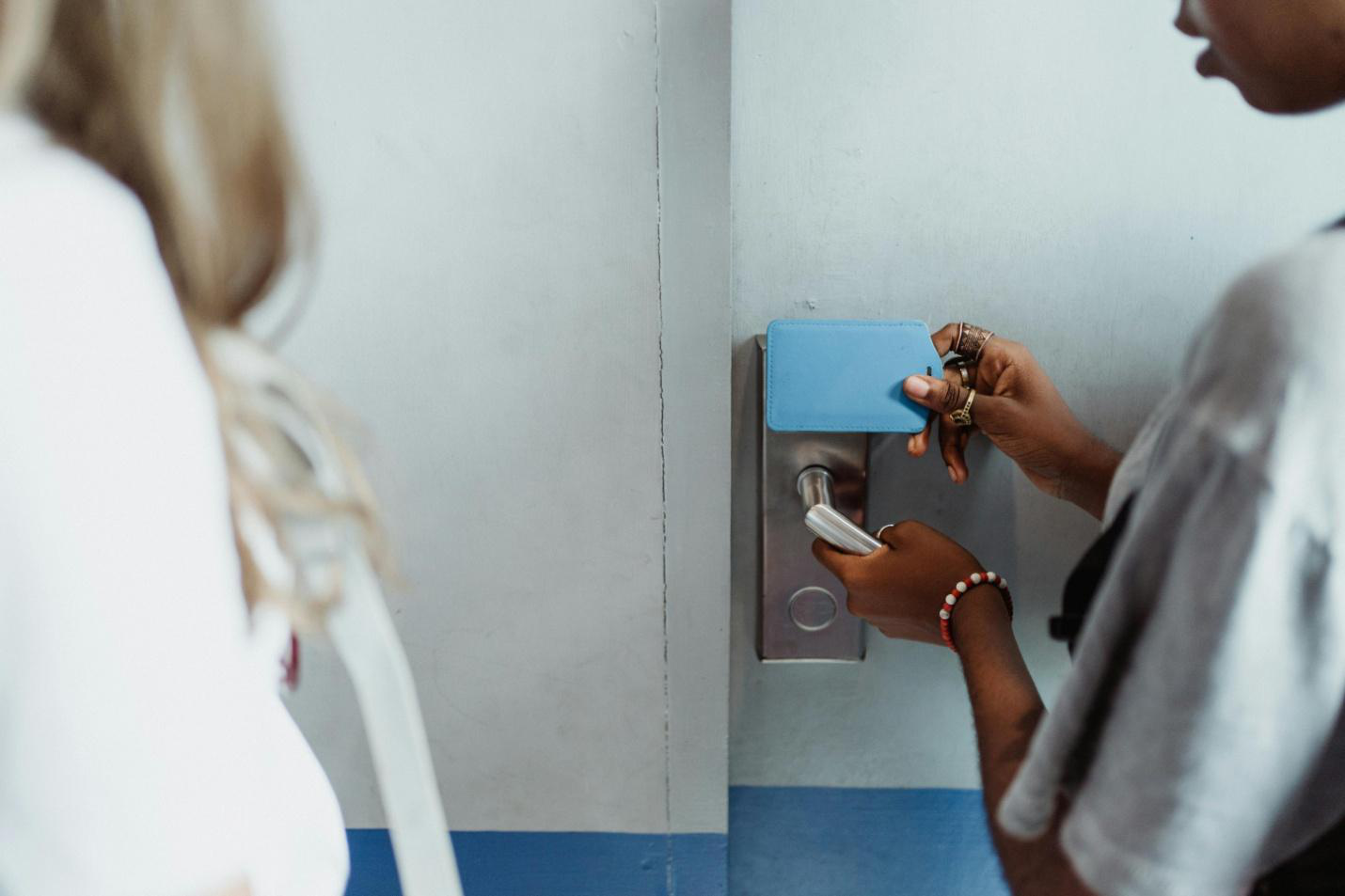
Modern workplaces are rethinking how people move through shared spaces. Touchless entry systems reduce the need for physical contact while maintaining strong security controls. In high-traffic environments, traditional keys and keypads increase hygiene risks and slow entry. Touchless technologies allow organizations to protect employees, visitors, and assets without compromising operational flow. When integrated into a building access control system in Qatar, here’s how these solutions support both safety and efficiency across offices, campuses, and industrial sites. How Do Touchless Entry Systems Improve Workplace Hygiene? Touchless access minimizes shared contact points such as keypads, fingerprint scanners, and access cards. According to research, frequent hand contact with shared surfaces significantly increases the spread of infectious agents, reinforcing the importance of reducing touchpoints in public and professional environments. Touchless entry systems support hygiene awareness by enabling secure entry without repeated surface contact, especially during peak hours. What Technologies Power Touchless Access? Several technologies enable touchless access. Facial recognition access control system verifies identity using cameras, while mobile based access control allows users to unlock doors using encrypted smartphone credentials. RFID cards also reduce contact compared to physical keys. For example, an employee entering an office lobby can gain access via facial recognition without stopping to scan a badge. These tools often operate within a biometric access control system, ensuring reliable identity verification. How Does Facial Recognition Work in Practice? Facial recognition analyzes unique facial features and matches them against encrypted templates. Systems such as the Matrix Argo face recognition system operate quickly, allowing users to pass through entry points naturally. For instance, staff entering a secure floor are authenticated automatically as they approach the door, reducing queues and congestion. This approach combines hygiene benefits with accurate access enforcement. Can Touchless Systems Support Attendance Tracking? Yes, touchless access extends beyond doors. A fingerprint time attendance system with contactless alternatives, such as facial recognition, helps organizations track workforce attendance accurately. Factories replacing shared punch clocks with facial attendance terminals reduce physical contact while maintaining precise time records. Touchless entry systems unify access and attendance for better visibility and compliance. How Do Touchless Systems Integrate with Security Infrastructure? Integration is critical for effectiveness. Touchless technologies connect with access platforms to apply consistent policies across doors, elevators, and restricted zones. When combined with a centralized building access control system in Qatar, administrators can manage permissions, monitor activity, and respond to incidents from a single interface. This unified approach strengthens security while supporting hygiene initiatives. Frequently Asked Questions Are touchless systems less secure than traditional methods? No, they often improve security through advanced authentication. Do touchless systems slow down entry? No, they typically reduce wait times and congestion. Are mobile credentials safe to use? Yes, they use encrypted authentication protocols. Creating Safer Workplaces with Adax Business Systems Adax Business Systems delivers advanced touchless entry systems that help organizations secure workplaces while prioritizing hygiene and efficiency. Our solutions combine intelligent security access control system design with scalable technologies tailored for modern facilities. From deploying a robust biometric access control system to supporting Matrix Argo face recognition system supplier in Qatar solutions, Adax ensures seamless identity verification. Our offerings also include reliable fingerprint time attendance system integration and flexible mobile based door access solutions. Contact us today to deploy touchless entry solutions designed for safer, smarter, high-traffic environments.

How IoT Is Shaping Next-Generation Physical Access Control Systems
The Internet of Things connects physical devices to networks, enabling them to collect and exchange data. In security, IoT sensors, readers, and controllers work together to create next gen access control environments. Instead of isolated doors, organizations gain connected ecosystems that respond dynamically. When integrated with a building access control system in Qatar, here’s how IoT transforms basic entry control into intelligent infrastructure. How Do IoT Devices Enable Real-Time Monitoring? IoT-enabled access systems continuously transmit data from doors, readers, and sensors. Security teams gain live visibility into access events, door status, and anomalies. For example, if a door is forced open, alerts trigger instantly rather than hours later. This real-time awareness strengthens a security access control system by allowing immediate response and reducing incident impact. How Does Remote Management Improve Operations? Remote management is a defining feature of next gen access control. Administrators can issue credentials, adjust permissions, or lock doors from anywhere. For example, if an employee changes roles, access updates instantly without physical intervention. A cloud based access control system supports this flexibility, reducing delays and administrative workload while maintaining centralized oversight. How Does Integration Create Smarter Security? IoT enables seamless integration between access control, surveillance, alarms, and workforce systems. Instead of siloed tools, platforms share data to automate decisions. This interoperability enhances protection and simplifies operations across a door access control system in Qatar. How Does IoT Support Scalability and Growth? As organizations expand, access systems must scale. IoT architectures allow new doors, sites, or users to connect easily without redesigning infrastructure. According to research, IoT technologies can unlock significant operational efficiencies through connected systems, highlighting their strategic value. Scalable IoT platforms ensure long-term adaptability as needs evolve. Frequently Asked Questions Does IoT increase security risks? No, secure encryption and monitoring reduce vulnerabilities. Can IoT systems work with existing infrastructure? Yes, most platforms integrate with legacy systems. Are cloud-based systems reliable? Yes, redundancy ensures high availability and consistent system performance. Advancing Security With Adax Business Systems If you’re looking for top notch security access control systems in Qatar, Adax Business Systems delivers intelligent solutions that leverage IoT to redefine next gen access control. By integrating devices into a unified people access control system, we enable real-time visibility and responsive security. Our expertise spans scalable cloud based access control systems, advanced biometric access control system deployments, and physical reinforcement through security gate barriers. As a trusted Matrix access control supplier for Qatar, Adax supports organizations with connected, future-ready access solutions. Contact us today to deploy IoT-enabled access control solutions designed for visibility, scalability, and operational efficiency.

Biometric Trends: Fingerprint, Face, and Mobile Authentication Explained
Biometric technology has moved far beyond simple access verification. It now plays a central role in how organisations manage identities, secure facilities, and streamline user movement. As workplaces grow more complex and remote operations expand, the need for accurate, fast, and frictionless authentication has never been greater. Understanding current biometric trends helps businesses choose solutions that enhance both security and day-to-day efficiency. Below is a clear breakdown of where biometric authentication is heading and how each method contributes to stronger, more adaptable protection frameworks. The Rise of Fingerprint Authentication Fingerprint verification remains one of the most widely adopted biometric methods because of its balance of accuracy, speed, and cost efficiency. Businesses continue to trust it for environments where secure authentication must happen quickly at scale. Advanced scanners today read multiple data points rather than only surface-level ridges. This improves reliability in humid, dusty, or high-traffic environments and reduces false rejects caused by worn or dry fingerprints. Facilities that rely on consistent shift-based operations also benefit from devices that integrate seamlessly with an employee time attendance system in Qatar, helping to strengthen time tracking and payroll accuracy. Fingerprint systems can also complement a broader access control system strategy by enforcing identity-based access instead of generic card permissions. This creates cleaner logs for compliance, audits, and incident investigation. How Facial Recognition Became a Core Biometric Trend Face authentication has accelerated rapidly due to improvements in camera hardware and machine learning. Modern sensors analyse depth, facial landmarks, and motion patterns, creating a robust identity profile that is difficult to bypass. This technology is especially valuable in high-security zones or busy lobbies where contactless verification supports faster throughput. When paired with a face recognition attendance system, the organisation gains precise identity verification with minimal user interaction. Key advantages include: Hands-free authentication that reduces bottlenecks Strong performance in variable lighting or outdoor conditions Compatibility with cloud-based attendance platforms Enhanced spoofing protection compared to early-generation systems Facial recognition is also a strategic fit for automated visitor handling, large campuses, and locations where user convenience and hygiene are priorities. Mobile-Based Authentication and the Shift Toward Decentralised Identity One of the major biometric trends reshaping access management is mobile authentication. Instead of relying on physical cards or tokens, the user’s smartphone becomes part of the access credential. It may use a combination of device biometrics, encrypted tokens, and dynamic QR permissions. Mobile authentication supports: Fast deployment without replacing hardware Temporary or role-based permissions for contractors or visitors Encrypted communication with building access control systems Event logging that synchronises instantly with central platforms Many organisations pair mobile access with a smart attendance system, allowing staff to authenticate at doors and record time entries using a single integrated solution. This trend reduces lost-card risks, lowers operating costs, and strengthens overall identity governance. When to Choose Which Biometric Method Every authentication method has distinct strengths, and the right choice depends on the facility’s risk profile, operational flow, and compliance expectations. Below is a simplified guide: Fingerprint Authentication Best for controlled indoor environments, shift-based teams, and businesses that want proven accuracy at scale. Facial Recognition Ideal for high-security facilities, large user volumes, contactless operations, and streamlined visitor experience. Mobile Authentication Suitable for modern offices, multi-location organisations, and environments requiring flexible, easily managed access rights. A strong security design often blends these methods, positioning them where they make the most sense while maintaining centralised control through access control systems. The Future of Biometrics and Integrated Security Biometric systems are no longer standalone devices. They are now deeply connected to wider digital ecosystems such as video monitoring platforms, cloud analytics, and key management solutions. Over time, authentication will become increasingly adaptive, learning from behavioural signals and environmental cues. Combined with tools like cloud-based attendance system platforms, businesses gain real-time visibility, predictive insights, and seamless access management across multiple locations. Work With Adax to Build a Future-Ready Biometric Framework At Adax, we help organisations in Qatar evaluate biometric trends and implement solutions that match their operational realities. Our team integrates fingerprint, facial recognition, and mobile authentication with robust door access control systems to create a secure, efficient user experience. We design systems that reduce bottlenecks, strengthen verification, and maintain compliance across complex facilities. If your organisation is exploring stronger identity authentication or wants expert guidance on the right access system for your environment, we are ready to support you. Contact us and let us build a biometric framework that delivers accuracy, convenience, and long-term value.
Connect With Us
Find out how Adaxbs can support