
High-traffic facilities demand more than cameras and checkpoints; they require intelligence. As offices, public venues, and critical infrastructure grow busier, understanding how people move becomes essential to preventing risk.
Here’s how heatmaps and movement analytics help organizations anticipate congestion, manage access, and protect occupants without disrupting operations.
What Are Heatmaps and Why Do They Matter in Security Planning?
Heatmaps are visual representations of movement density created through video analytics that track how people navigate physical spaces. In high-traffic facilities, these visual layers reveal where crowds gather, slow down, or bottleneck.
When paired with next gen security access control, heatmaps transform raw surveillance footage into actionable intelligence. Instead of relying on assumptions or static layouts, facility managers gain real-time insight into how spaces are actually used. This data-driven visibility allows organizations to design safer environments, improve evacuation planning, and reduce congestion-related incidents in offices, transport hubs, healthcare facilities, and government buildings.
How Does Movement Analytics Track Crowd Flow Accurately?
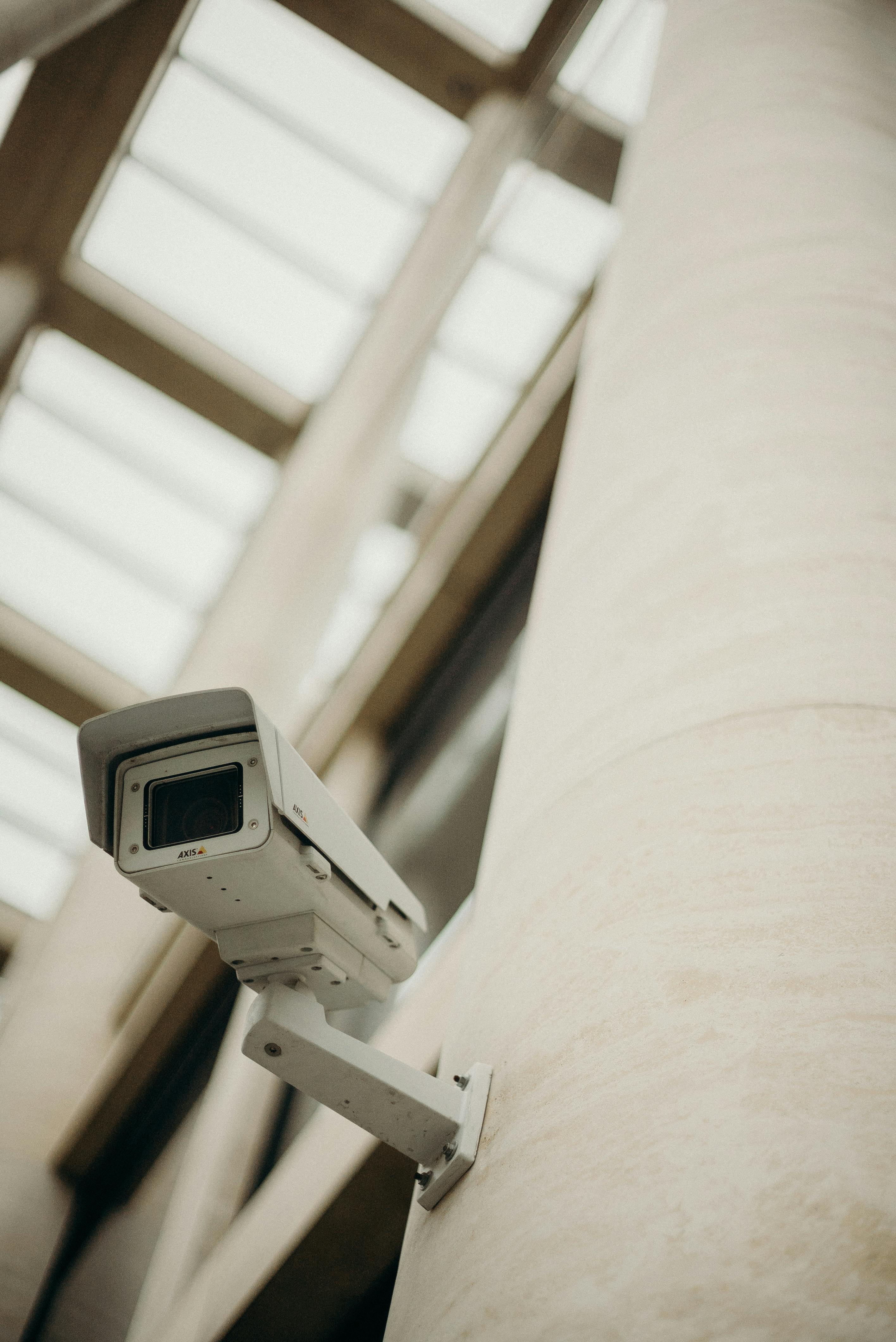
Movement analytics use AI-powered video processing to detect motion paths, dwell time, and directional flow. Cameras installed alongside a building access control system in Qatar anonymously track how individuals move through entry points, corridors, and shared areas.
These systems do not identify personal details, but instead focus on behavioral patterns. According to research, facilities using movement analytics reduced crowd congestion incidents. When combined with next gen security access control, organizations can correlate movement data with access permissions to identify unusual activity or unauthorized flow.
How Do Heatmaps Identify Safety Risks Before Incidents Occur?
Heatmaps reveal patterns invisible to the human eye during live monitoring. Persistent crowd buildup near exits, stairwells, or elevators can signal evacuation risks. In facilities using a people access control system, access logs synchronized with heatmaps help security teams understand why congestion occurs.
By integrating analytics with a door access control system in Qatar, access permissions can be dynamically adjusted to redistribute foot traffic and prevent dangerous crowd density.
Why Is Access Control Integration Critical for High-Traffic Environments?
Standalone surveillance systems provide visibility, but access control adds authority. When heatmaps are linked with next gen security access control, organizations can automatically regulate entry based on real-time conditions. For example, doors can temporarily restrict access during peak congestion or redirect traffic to alternate routes.
Systems such as Matrix access control allow administrators to manage permissions centrally across multiple facilities.
How Do Biometric Systems Enhance Movement Accuracy and Safety?
A biometric access control system enhances movement analytics by ensuring that only authorized individuals enter monitored zones. While heatmaps track flow anonymously, biometric checkpoints validate identity at critical access points. This layered approach prevents tailgating and unauthorized entry that can distort analytics data.
Airports and hospitals increasingly rely on biometric-enabled analytics. According to a study, biometric access control systems provide a contactless way of verifying identity in airport environments, improving processes like border control and passenger movement while enhancing detection of fraud and unauthorized entry.
Can Heatmaps Improve Operational Efficiency Beyond Security?
Yes, heatmaps offer value beyond risk mitigation. Facility planners use analytics to optimize layouts, staffing, and maintenance schedules. In commercial offices, movement data highlights underutilized areas and overcrowded zones. Retail and hospitality environments leverage insights to improve guest experience and reduce wait times.
When combined with a building access control system in Qatar, organizations can align access privileges with actual usage patterns. This results in smoother operations, reduced operational costs, and safer daily movement for occupants and visitors alike.
What Are the Compliance and Privacy Benefits of Analytics-Based Security?

Modern analytics prioritize privacy by design. Heatmaps analyze movement patterns without storing personal identifiers, supporting compliance with regional data protection standards. When paired with a door access control system in Qatar, identity verification remains secure at access points while movement data stays anonymized.
According to research, organizations using privacy-first analytics experience higher public trust and fewer compliance challenges. This balance allows facilities to enhance safety without compromising ethical or regulatory obligations.
What Should Organizations Consider When Implementing These Systems?
Successful implementation begins with understanding traffic patterns, risk zones, and operational goals. Facilities must ensure camera placement aligns with access points and critical corridors.
Integration with a people access control system ensures movement insights translate into real-time control actions.
Common Questions About Heatmaps and Movement Analytics
- Are heatmaps intrusive to personal privacy?
No, heatmaps analyze anonymous movement data and do not capture personal identities. - Can analytics work in low-light or crowded conditions?
Yes, advanced video analytics are designed to function accurately in challenging environments. - Do these systems require constant manual monitoring?
No, automated alerts reduce the need for continuous human supervision. - Are analytics suitable for government and healthcare facilities?
Yes, they are widely used in regulated, high-security environments.
Why Adax Business Systems Leads Intelligent Safety Optimization
In high-traffic environments, safety depends on understanding how people move, gather, and respond. Adax Business Systems delivers intelligent solutions that combine video analytics with a robust security access control system to create safer, smarter facilities.
From heatmaps and movement analytics to a smart card access control system, biometric access control system, and advanced Matrix access control supplier for Qatar, we support government, commercial, healthcare, and infrastructure clients with precision and reliability. Their integrated approach enhances visibility, optimizes crowd flow, and ensures compliance across complex environments.
Ready to transform crowd safety into a strategic advantage? Contact us today to deploy intelligent analytics and access control solutions designed for high-traffic, high-security environments.