
Unauthorized access is still one of the most common causes of security incidents in commercial buildings, public facilities, and industrial sites. Modern security systems in Qatar have changed the way organizations protect people, assets, and critical information by combining hardware, software, and real-time intelligence. When each layer works together, organizations gain clarity over who enters a facility, how movement is tracked, and which risks need attention before they turn into real incidents.
Modern access technologies now operate on a level that is far more advanced than simple credential checks. They combine identity assurance, automated decision making, and connected infrastructure designed to enforce consistent security across an entire site. This creates a controlled environment that prevents unauthorized entry and strengthens overall safety standards.
Below is a breakdown of how today’s most reliable systems work and the lessons they offer for any organization in Qatar aiming to reduce risk.
How Access Control Forms the First Line of Defense
A modern access control system acts as the foundation of a secure facility. It verifies identity at the entry point, enforces permissions, and records every attempt to access a protected area. What makes it effective is not the hardware alone but the logic behind it.
A door access control system does more than unlock doors. It manages zones, schedules, and user groups with automation. When deployed correctly, it enforces rules that cannot be bypassed by manual intervention. In multi-level or multi-building sites, building access control systems ensure that each floor or department is governed by precise access permissions.
Biometric authentication adds an extra layer of certainty. Face or fingerprint-based identification reduces the risk of card sharing or credential theft. When combined with tools such as a face recognition attendance system or an integrated access and time system, organizations achieve both security and workforce accountability with a single platform.
Here is the key lesson. When businesses rely on strong identity verification, unauthorized entry becomes significantly harder, even when cards or mobile devices are compromised.
Why Swipe Card Access Still Matters
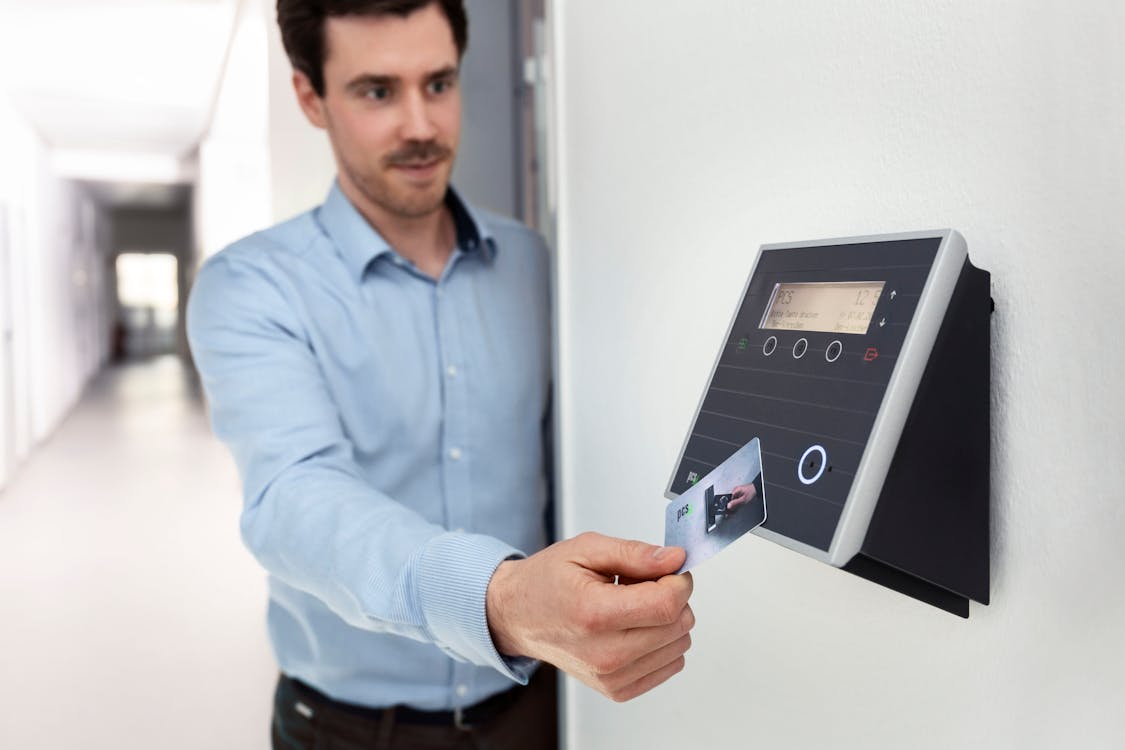
While biometrics are growing in popularity, intelligently managed swipe card systems remain valuable, especially in complex facilities. A smart card access control system can be encrypted, role-based, and centrally managed. Access can be changed instantly without collecting physical cards. Activity logs make it simple to track patterns and detect anomalies such as repeated attempts to enter restricted areas.
When combined with time tracking tools such as a smart attendance system or cloud-based attendance system, movement data becomes more meaningful. Attendance logs verify employee presence while access logs validate where they moved inside the building. Together, they prevent unauthorized room access disguised as routine internal movement.
The lesson here is that swipe cards are not outdated. They are powerful when integrated into an intelligent security framework.
How Physical Barriers Reinforce Identity-Based Access
If credentials control identity, barriers control movement. Facilities that rely on identity checks without physical gates or barriers often leave gaps in enforcement.
Tools such as automatic barrier arm gates prevent tailgating, forced entry, and vehicle-based intrusion. They ensure that even when someone attempts to bypass the system, the physical environment works against them.
Barriers paired with card or biometric readers create predictable flow patterns and guarantee that every entry is verified. The simple lesson is that identity checks require physical reinforcement. Without it, security depends entirely on human compliance, which is rarely reliable.

The Growing Role of Mobile Credentials and Cloud Automation
Mobile credentials have changed how facility access works. Mobile-based authentication reduces the risk of lost cards, simplifies onboarding, and allows administrators to manage credentials remotely. Real-time revocation protects facilities when an employee leaves or a device is misplaced.
Cloud-based systems allow central management of multiple locations. A cloud attendance system gives administrators visibility over every attempt to enter a building, even when sites are spread across the region. This improves coordination during incidents and helps teams identify risks early.
The key lesson from modern cloud-driven security is simple. Centralized decision-making strengthens control. Fragmented systems create gaps.
How Video Analytics Strengthens the Access Control Ecosystem
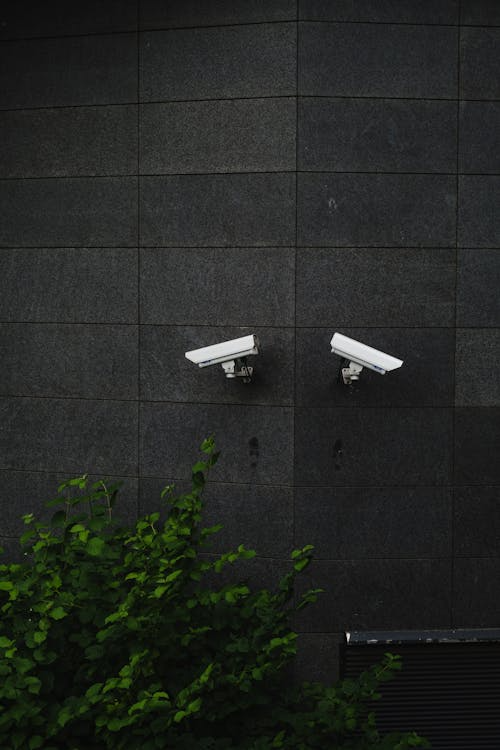
One of the most transformative parts of modern security systems is the rise of intelligent video analytics. Traditional CCTV captured footage without context. Today’s systems interpret behavior, detect anomalies, and alert teams before unauthorized access occurs.
Modern analytics identify tailgating, loitering near entrance points, forced entry attempts, and abnormal movement at restricted doors. When analytics connect with access control, the system reacts automatically. For instance, a failed door access attempt can trigger instant alerts, prompt guard intervention, or activate cameras for closer review.
Video analytics teaches a valuable lesson. Seeing movement is not enough. Understanding movement is what prevents security breaches.
The Value of Multi-Layered Access in High-Risk Environments
No single system stops unauthorized access on its own. Real protection comes from combining digital identity, physical reinforcement, intelligent monitoring, and strict access logic.
Pairing a biometric access control system with controlled door zones, integrated logs, and real-time alerts creates an environment where each decision is validated and monitored. When a key management solution is added, sensitive physical keys such as server room, fleet, or storage keys are also controlled and tracked.
The lesson is that layered systems protect better than isolated tools. Each layer strengthens the next.
Why Organizations Need to Monitor Patterns, Not Just Incidents
Unauthorized access attempts do not always happen suddenly. They often build through repeated failed entries, unusual access times, or attempts to reach multiple restricted zones. This is where matrix access control platforms or advanced log engines add value. They allow organizations to study long-term patterns and identify risks before they escalate.
Patterns reveal insider threats, misconfigured permissions, and external reconnaissance attempts. These are risks traditional manual logs would never catch.
The final lesson is that prevention is a continuous process. Organizations must study behavior, not just incidents.
Work With Adax to Strengthen Facility Security
At Adax, we help organizations in Qatar build complete security ecosystems that prevent unauthorized access across every entry point. Our team designs and deploys door access control systems that integrate seamlessly with biometric platforms, smart card frameworks, and physical barriers to create one coordinated security network. We also incorporate video analytics and cloud monitoring for facilities that require advanced threat detection.
If your organization wants to reduce unauthorized entry, modernize identity verification, or create a multi-layer protection framework, our experts are ready to support you. Contact us, and we will design a solution tailored to your security environment and operational needs.