
Workplace safety today depends on more than cameras and ID cards. Facilities in Qatar are far more complex, threats evolve faster, and security teams must process more information than ever before. Real-time video analytics combined with biometric door access control gives organisations a way to strengthen safety by turning routine monitoring into a continuous, automated risk detection system. When these technologies work together, they help prevent incidents, reduce blind spots, and provide verified data for faster decision-making.
Below is a detailed look at how these systems reduce incidents and why many high-risk and high-traffic environments rely on integrated solutions to maintain operational continuity.
How Real-Time Analytics Improves Workplace Safety
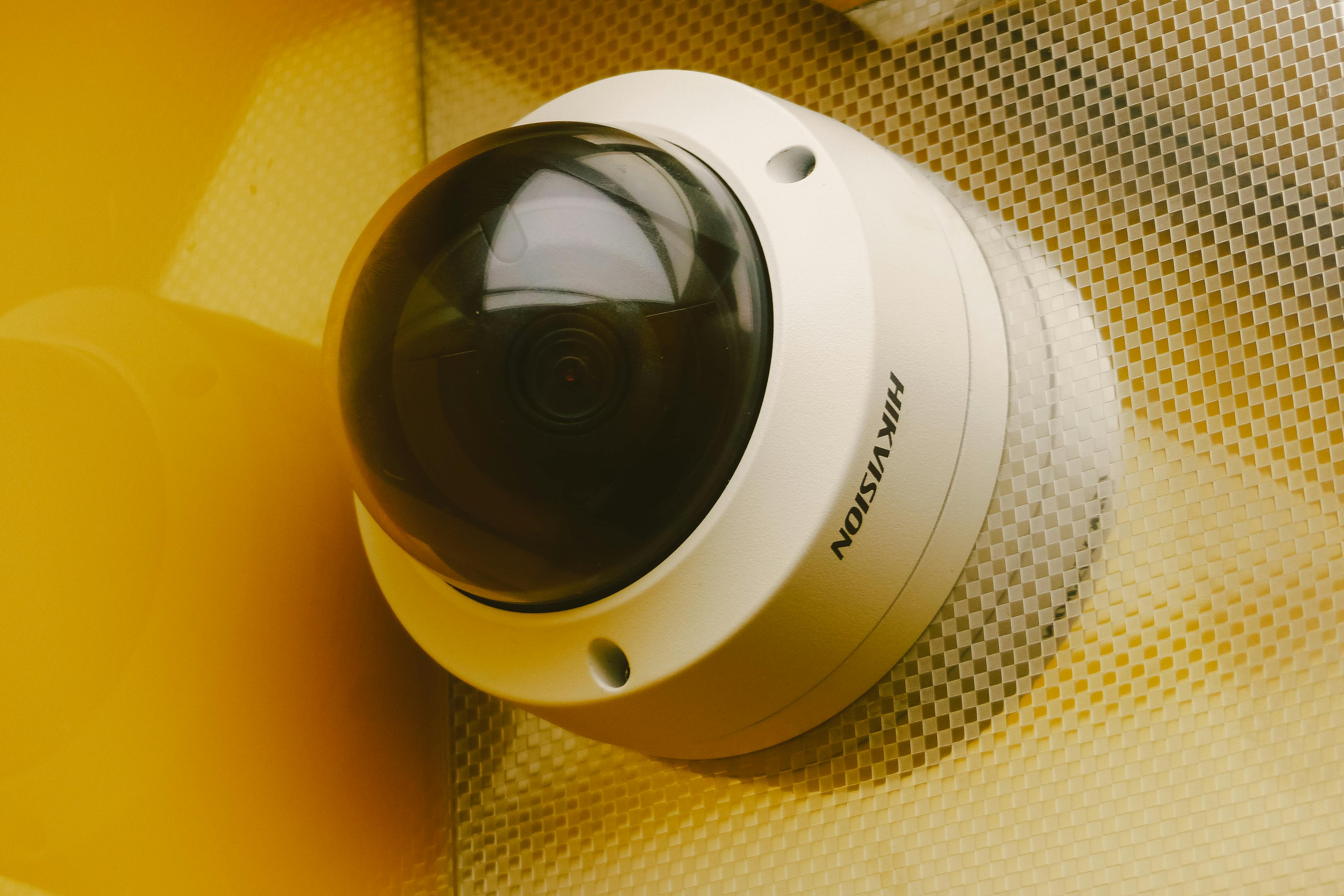
Conventional CCTV requires constant human attention, and even the best-trained operators cannot review every camera feed with perfect accuracy. Real-time analytics changes this. By analysing live footage frame by frame, the system identifies patterns, movement, and behaviour that fall outside normal thresholds.
This capability supports incident prevention in several ways:
Detecting Abnormal Movement
Systems equipped with analytics can identify unusual direction changes, loitering, rapid crowd formation, and restricted area breaches. When paired with a building access control system in Qatar, events can be cross-checked with authorised entry logs to confirm whether a person should be present in that zone.
Monitoring Compliance
Industrial and commercial environments in Qatar require strict adherence to safety rules. Analytics can recognise situations such as a worker entering without the required equipment or a visitor stepping into a high-risk area. Alerts help supervisors address issues before accidents occur.
Automated Escalation
Once the system detects a threat, it triggers alerts through the security dashboard. This eliminates delays and gives the response team a clear assessment within seconds. When required, analytics can also push notifications to mobile devices for faster action.
These capabilities free security personnel from repetitive monitoring tasks, allowing them to focus on evaluating and handling alerts rather than scanning hundreds of screens.
How Biometric Access Strengthens Prevention
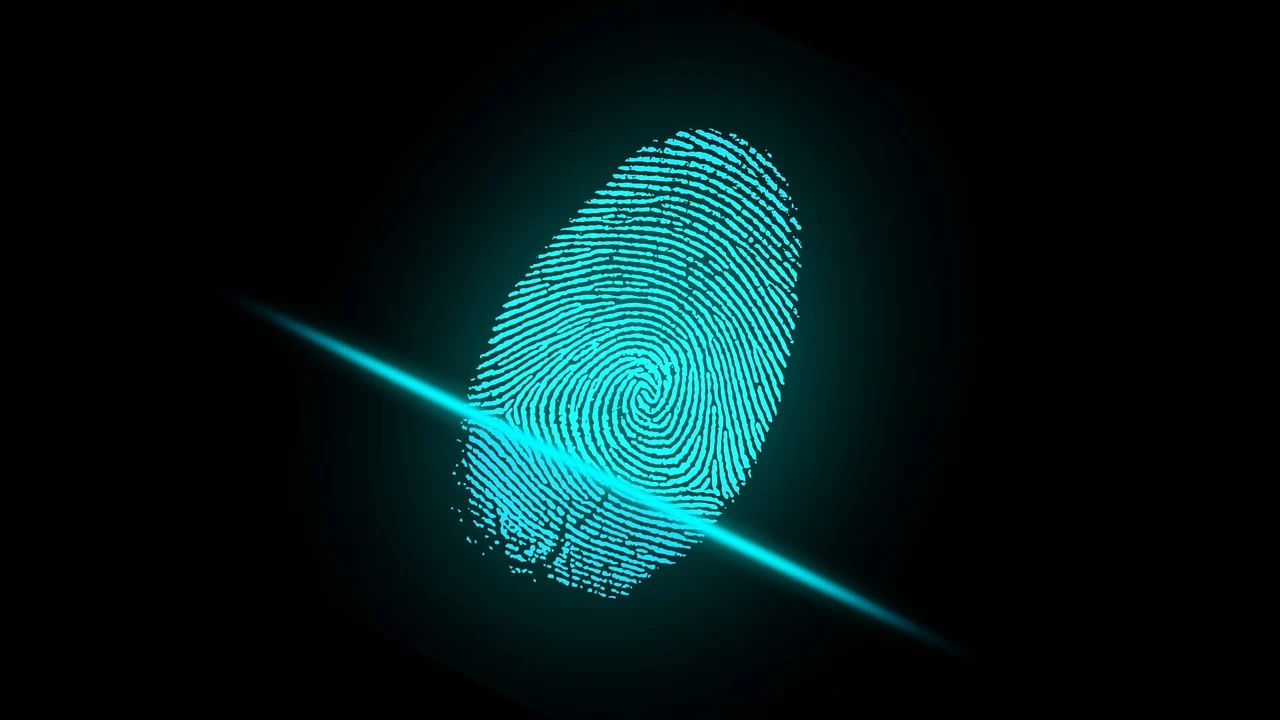
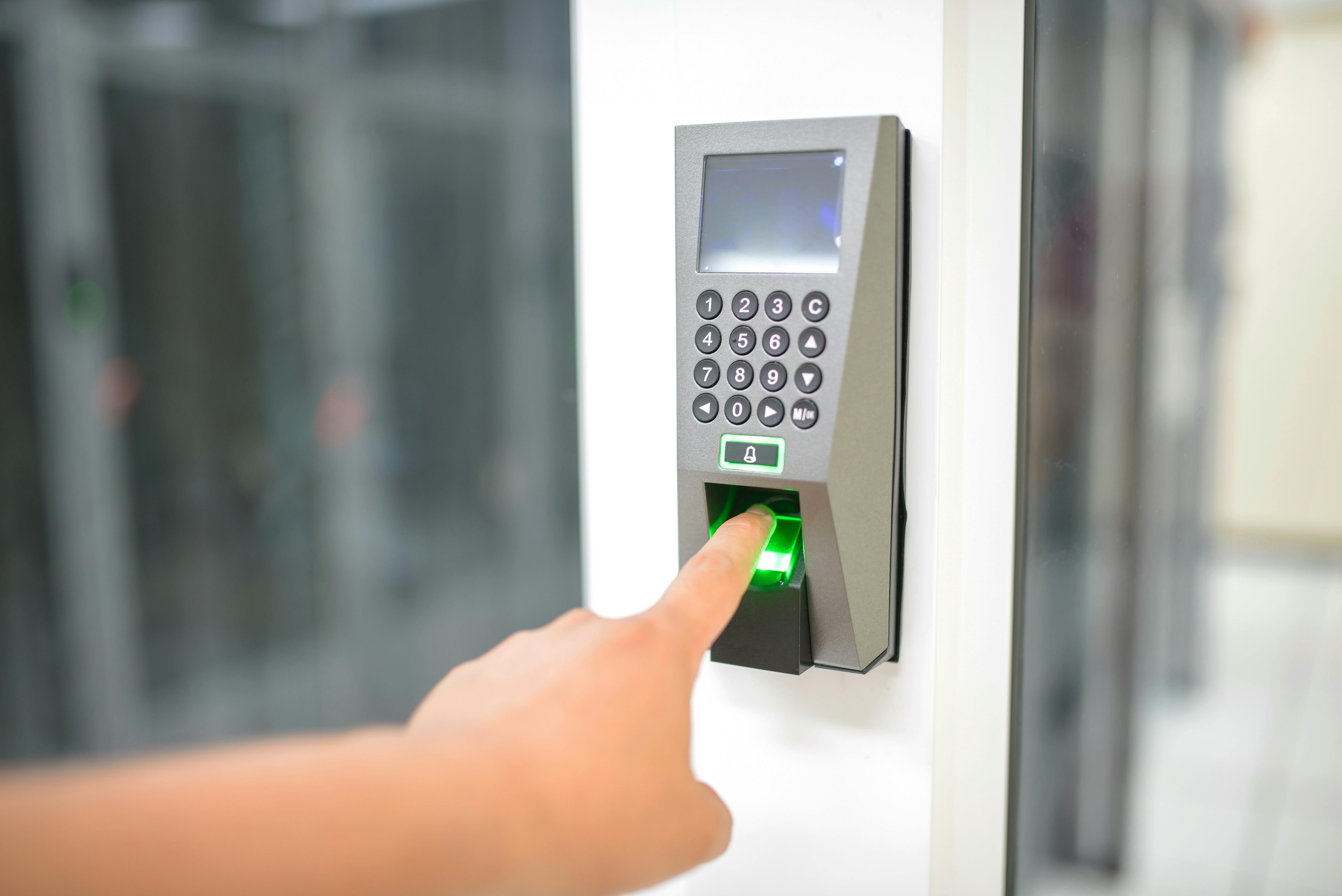
Biometric access ensures that every entry point validates identity through physical traits instead of codes or cards that can be borrowed or misplaced. Technologies such as facial recognition, fingerprint scanning, and palm verification deliver individual-level authentication and prevent unauthorised movement across the facility.
When combined with analytics, biometric systems give organisations a complete picture that links identity with behaviour. For example, if analytics detects movement in a restricted zone and the door access control system shows no approved entry, the event is flagged for immediate review.
Additional benefits include:
Eliminating Shared IDs
Shared credentials are a common source of security issues. Biometric profiles cannot be copied, which protects restricted rooms, laboratories, and command areas.
Stronger Audit Trails
Biometric entries generate timestamped records that help verify who was in a specific location at any given moment. For organisations with compliance requirements, this data is essential for internal auditing.
Faster Throughput
Modern biometric readers can authenticate users in seconds, reducing bottlenecks at checkpoints. This is useful in environments with high shift turnover where accuracy and speed must be balanced.
Solutions such as a smart card access control system or face recognition attendance system may also be used alongside biometrics to create multi-factor verification for critical locations.
Where Integrated Systems Provide the Most Value
The combination of real-time analytics and biometric access is especially effective in high-density workplaces, multi-building campuses, and environments where safety incidents have higher consequences. Below are examples where the integration provides measurable value.
Industrial Facilities
Manufacturing plants and warehouses often face risks related to machinery, movement paths, and access zoning. Analytics can track unauthorised presence, while biometrics ensures only trained personnel enter equipment areas.
Corporate Offices
In large offices, access verification and visitor monitoring become complex. Analytics helps detect tailgating and misuse of common areas, while the access control systems ensure accurate identity checks.
Healthcare and Research
Laboratories and medical centres rely on precise identity control. Biometric authentication paired with analytics strengthens compliance, reduces contamination risk, and restricts access to sensitive storage rooms.
Multi-Tower Complexes
Large sites must coordinate entries, elevators, and floor zoning. A unified system simplifies movement tracking while analytics improves visibility from parking to corridors.
In each case, combining analytics with biometric access creates a layered security environment that reduces the likelihood of incidents while improving operational efficiency.
The Role of Integrated Monitoring Platforms
The most effective environments use a centralised dashboard that merges video analytics, identity verification, and operational logs. This allows teams to view alerts, camera feeds, and biometric entries from one interface. Integrating the platform with a key management solution or smart attendance system supports broader organisational functions such as workforce tracking and compliance.
A centralised system also improves response coordination. When an alert occurs, the team can instantly check activity history, authorised access attempts, and live footage, reducing the time required to validate an incident and take action.
Why Real-Time Analytics Reduce Incident Impact
Even when an incident cannot be fully prevented, identifying it quickly limits the damage. Analytics identifies early indicators such as heightened motion in restricted sections, access attempts at unusual hours, or unscheduled movement in high-risk zones. When connected to a security gate barrier, the system can lock down vehicle entries or block internal movement until verification is complete.
These layered responses help organisations contain threats and reduce the severity of workplace incidents.
Work With Adax to Build Safer, Smarter Workplaces
At Adax, we design integrated security frameworks that bring together biometric access, real-time video analytics, and centralised monitoring. Our systems give organisations in Qatar complete visibility from entry gates to interior rooms, ensuring faster detection, accurate identity verification, and stronger incident prevention across every level of the facility.
If your organisation wants to reduce workplace incidents, upgrade verification methods, or improve threat detection, our team is ready to support you. Contact us, and we will help you build a security environment that aligns with your operational needs and long-term safety goals.