
Creating a secure and efficient access environment requires a clear understanding of how different authentication technologies operate, where they excel, and where they fall short. Two of the most widely deployed methods today are biometric verification and RFID card-based authentication. Both can strengthen an access control system, but they serve different operational needs, risk profiles, and user environments.
Below is a detailed breakdown that helps facility owners, security managers, and IT teams understand how to choose the right access system for their buildings.
Understanding RFID Access Systems
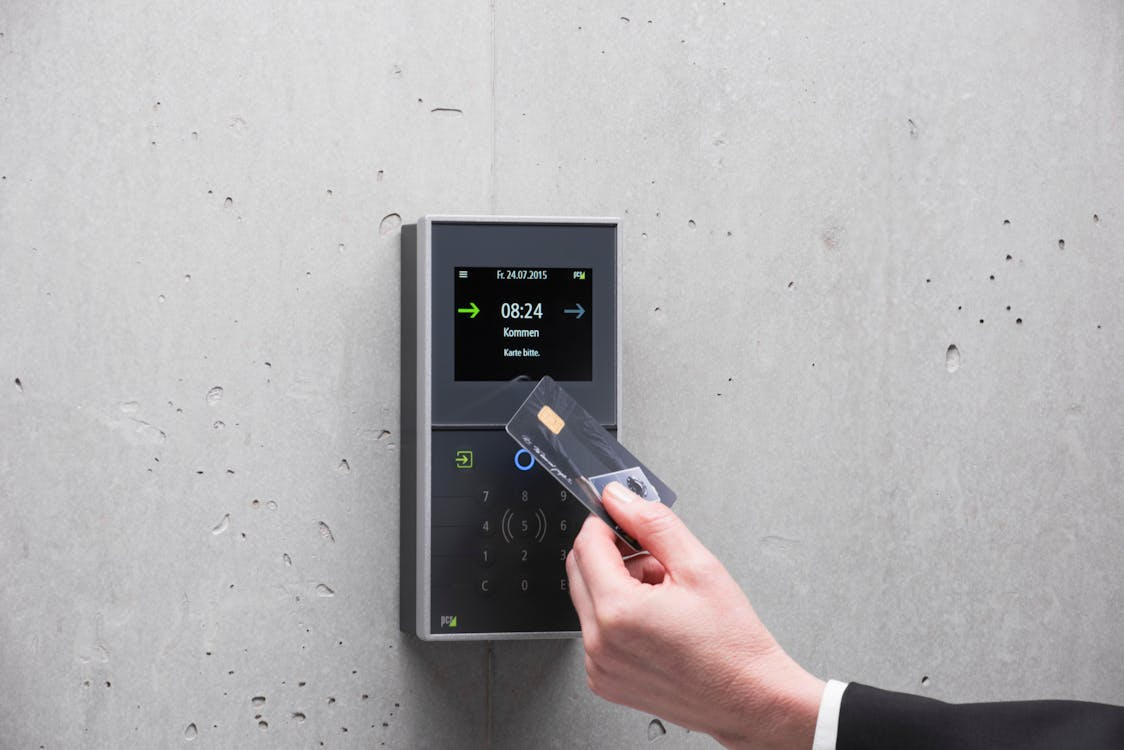
RFID technology has been a cornerstone of door access control systems for businesses in Qatar for many years. It relies on physical credentials such as smart cards or key fobs to grant entry when tapped or waved near a reader. While simple on the surface, a modern smart card access control system uses encrypted communication, secure keys, and anti-cloning mechanisms to reduce vulnerabilities.
Where RFID Works Well
- High-traffic environments:RFID provides fast throughput. A single reader can authenticate large numbers of people with minimal bottlenecks, making it suitable for commercial towers, schools, logistics hubs, and administrative complexes.
- Flexible credential management:Cards are easy to issue, revoke, and replace. This is especially useful in facilities with frequent contractor turnover or large seasonal workforce movements.
- Multi-system integration:Smart cards can integrate with cafeteria billing, print management, parking access, and time attendance system This gives organizations a unified user identity across various departmental systems.
- Low-maintenance hardware:RFID readers have long operational life cycles because they perform simple, contactless communication. They can also withstand dust, humidity, and temperature fluctuations common in the Gulf region.
Limitations of RFID Access
RFID relies on physical credentials. Cards can be lost, borrowed, or misused if users are not careful. Even with encryption, there is always a minor risk of unauthorized possession.
RFID also requires a certain distance and angle for smooth reads. In crowded lobbies, improper positioning can slow down throughput. This makes reader selection and installation layout extremely important.
Understanding Biometric Access Systems
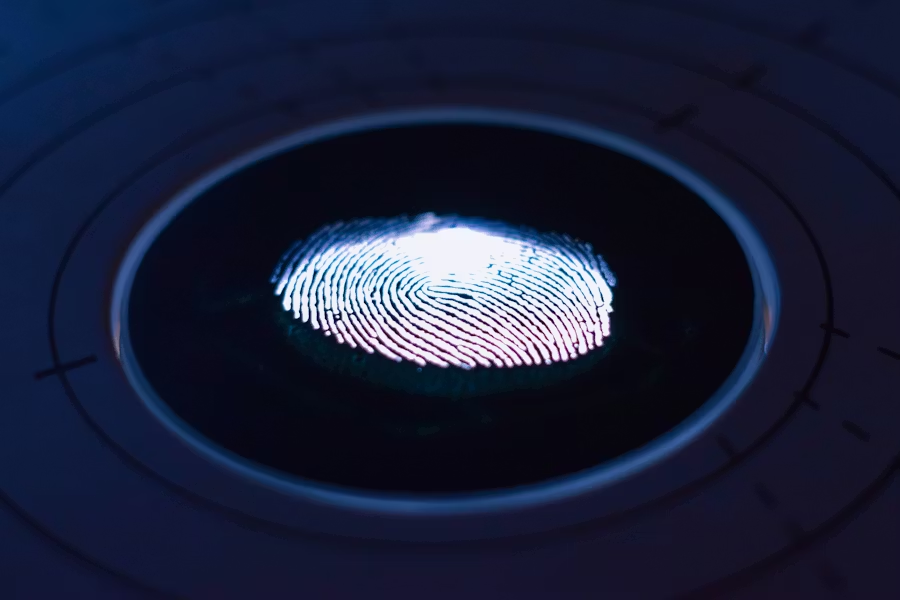
Biometric systems verify identity based on unique physical traits such as fingerprints, facial patterns, or palm veins. Solutions like a biometric access control system in Qatar or a face recognition attendance system have grown rapidly due to the need for stronger authentication and cleaner audit trails.
Where Biometrics Excel
- Identity certainty:Biometric verification links access rights directly to the individual. It removes risks associated with stolen cards or shared PINs. This precision strengthens compliance in data centers, research labs, executive zones, and financial institutions.
- Improved audit accuracy:With a biometric log, administrators know exactly who accessed what door and when. This is a critical improvement over card-based logs, which can only verify that a card was used, not who used it.
- Hands-free authentication:Modern cameras, depth sensors, and infrared illumination make facial recognition highly accurate even in variable lighting conditions. This improves the user experience at speed gates, turnstiles, or elevator-based building access control systems.
- Time and attendance optimization: Biometric verification pairs well with cloud attendance system Systems such as the Matrix Argo face recognition system in Qatardeliver precise attendance logs, reduce payroll disputes, and strengthen labor compliance.
This is especially helpful for multi-site organizations that require centralized dashboards for workforce activity.
Limitations of Biometrics
Biometric performance depends heavily on environmental factors and sensor quality. Poor lighting, dust, or low camera resolution can reduce accuracy.
Some facilities also require fallback options for users unable to enroll in biometrics due to injuries or disabilities. This is where multi-modal access (biometric + RFID + mobile) becomes valuable.
Biometric vs RFID: Technical Differences That Matter
Authentication Method
RFID validates a physical token. Biometrics validates the person.
Facilities must choose based on the risk level of each door.
Data Security
Biometrics store encrypted templates rather than actual images, but they must be protected with strict governance. RFID systems rely on encryption and secure card technologies, but can still be vulnerable to physical misuse.
Throughput
RFID is slightly faster in extremely high-density entry points where speed is more important than identity certainty. Biometric speed continues to improve, especially in modern devices with thermal, optical, and AI-driven processing.
Total Cost of Ownership
RFID readers tend to have lower upfront costs. Biometric devices cost more initially but reduce long-term expenses because they eliminate card lifecycle management.
Deployment Complexity
Biometrics require careful installation, correct lighting, and calibration. RFID offers simpler installation planning but requires ongoing credential distribution.
Hybrid Solutions: The Best of Both Worlds
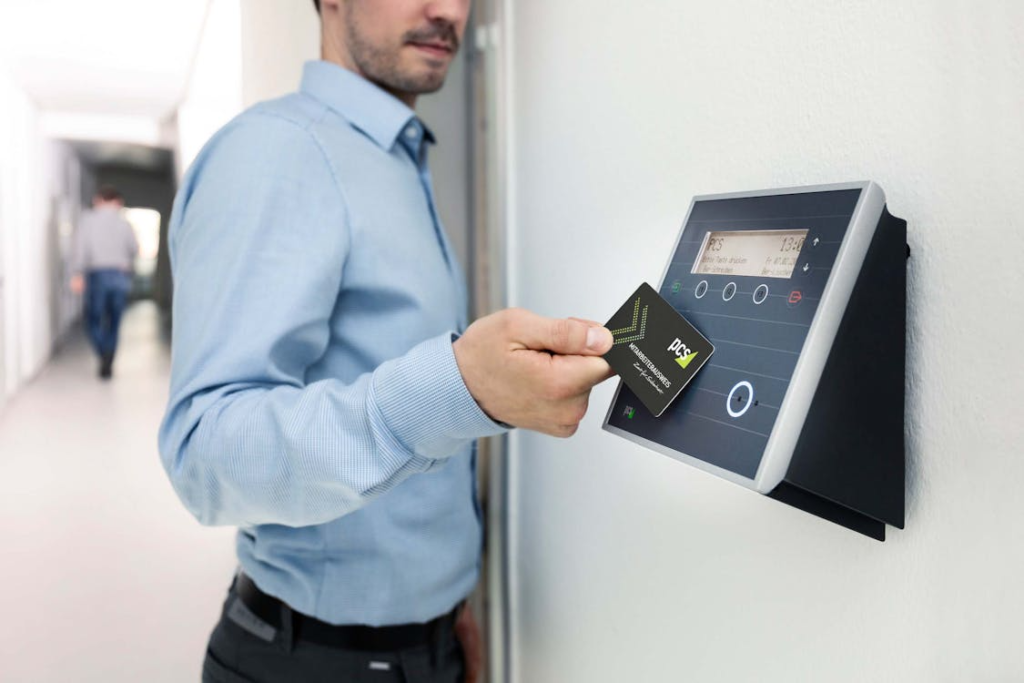
Most large facilities now combine both biometric and RFID systems into a layered architecture. This approach allows a property to use RFID for common areas and biometrics for restricted spaces.
For example:
- A corporate tower may use smart cards for lobby access and facial recognition for executive suites.
- An industrial plant may use RFID at main gates and biometrics for control rooms.
- A campus may integrate biometrics with its key management solutionfor high-value asset access.
Hybrid systems are also easier to manage in cloud-based environments, where a cloud-based attendance system merges access logs and attendance data into a single operational dashboard.
Choosing the Right Access System for Your Facility
The decision should never be based on popularity alone. Instead, consider:
- The sensitivity level of each zone
- Expected traffic flow per entry point
- Integration needs with HR or visitor systems
- Long-term administrative workload
- Regulatory or audit requirements
- Your budget allocation for hardware and software
Facilities with heavy public interaction often prefer RFID because it keeps movement fluid. High-security areas favor biometrics for their identity precision.
Modern access control systems in Qatar support both technologies through scalable architectures such as Matrix platforms and multi-credential readers.
Work With Adax to Build the Right Access Framework
At Adax, we design and deploy access control solutions that match the operational demands of commercial buildings, government sites, industrial plants, and mixed-use facilities. Our team builds systems that combine biometrics, RFID, and mobile credentials to deliver a secure and convenient user experience.
We integrate everything from door access control systems to enrollment workflows, audit reporting, and workforce compliance. Whether you want stronger identity verification, centralized control across multiple branches, or a unified attendance and access environment, our specialists can support your goals.
Reach out to us and let us design the right access system for your facility in Qatar using proven technology and industry-led security practices.