
Biometric technology has moved far beyond simple access verification. It now plays a central role in how organisations manage identities, secure facilities, and streamline user movement. As workplaces grow more complex and remote operations expand, the need for accurate, fast, and frictionless authentication has never been greater. Understanding current biometric trends helps businesses choose solutions that enhance both security and day-to-day efficiency.
Below is a clear breakdown of where biometric authentication is heading and how each method contributes to stronger, more adaptable protection frameworks.
The Rise of Fingerprint Authentication
Fingerprint verification remains one of the most widely adopted biometric methods because of its balance of accuracy, speed, and cost efficiency. Businesses continue to trust it for environments where secure authentication must happen quickly at scale.
Advanced scanners today read multiple data points rather than only surface-level ridges. This improves reliability in humid, dusty, or high-traffic environments and reduces false rejects caused by worn or dry fingerprints. Facilities that rely on consistent shift-based operations also benefit from devices that integrate seamlessly with an employee time attendance system in Qatar, helping to strengthen time tracking and payroll accuracy.
Fingerprint systems can also complement a broader access control system strategy by enforcing identity-based access instead of generic card permissions. This creates cleaner logs for compliance, audits, and incident investigation.
How Facial Recognition Became a Core Biometric Trend
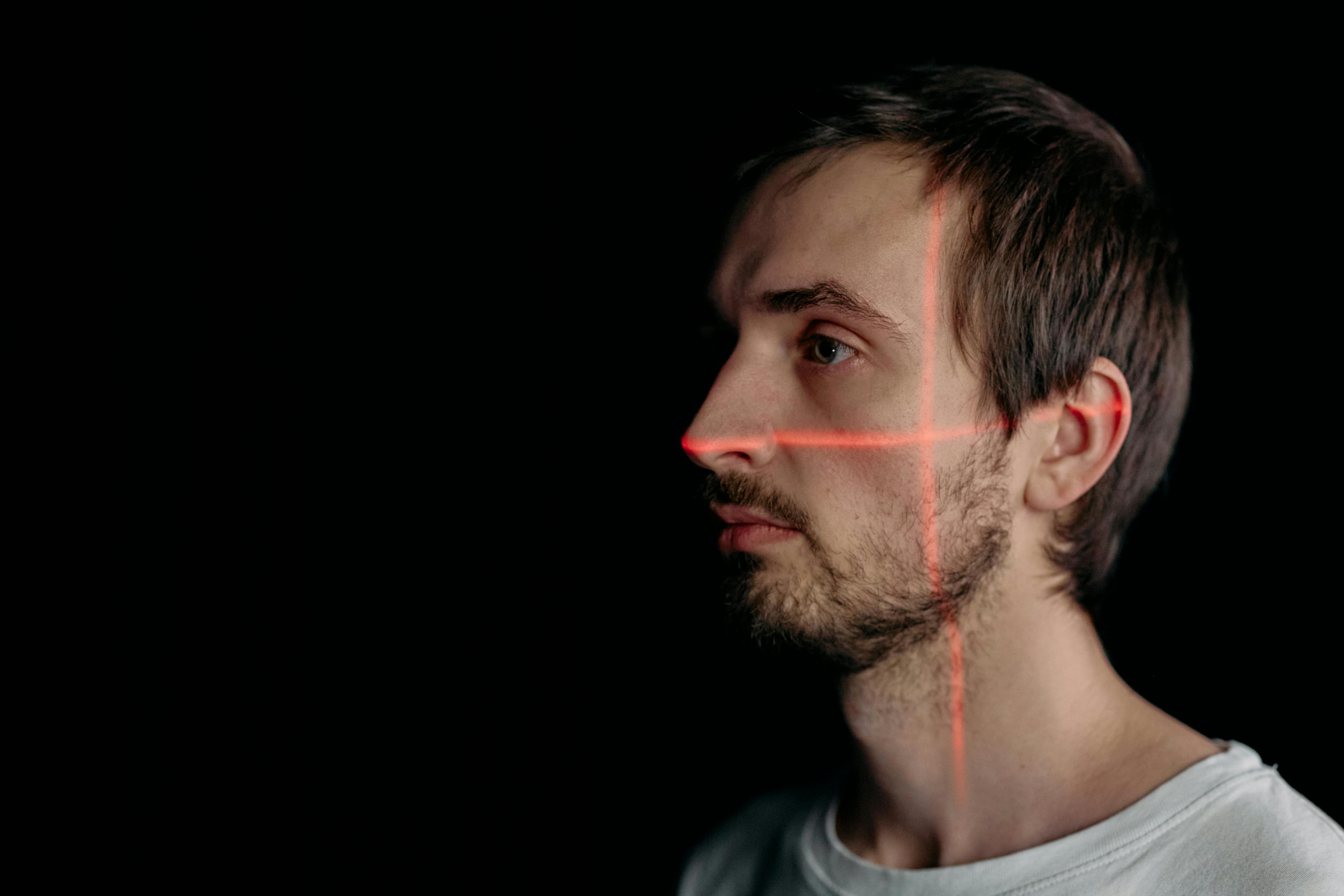
Face authentication has accelerated rapidly due to improvements in camera hardware and machine learning. Modern sensors analyse depth, facial landmarks, and motion patterns, creating a robust identity profile that is difficult to bypass.
This technology is especially valuable in high-security zones or busy lobbies where contactless verification supports faster throughput. When paired with a face recognition attendance system, the organisation gains precise identity verification with minimal user interaction.
Key advantages include:
- Hands-free authentication that reduces bottlenecks
- Strong performance in variable lighting or outdoor conditions
- Compatibility with cloud-based attendance platforms
- Enhanced spoofing protection compared to early-generation systems
Facial recognition is also a strategic fit for automated visitor handling, large campuses, and locations where user convenience and hygiene are priorities.
Mobile-Based Authentication and the Shift Toward Decentralised Identity
One of the major biometric trends reshaping access management is mobile authentication. Instead of relying on physical cards or tokens, the user’s smartphone becomes part of the access credential. It may use a combination of device biometrics, encrypted tokens, and dynamic QR permissions.
Mobile authentication supports:
- Fast deployment without replacing hardware
- Temporary or role-based permissions for contractors or visitors
- Encrypted communication with building access control systems
- Event logging that synchronises instantly with central platforms
Many organisations pair mobile access with a smart attendance system, allowing staff to authenticate at doors and record time entries using a single integrated solution.
This trend reduces lost-card risks, lowers operating costs, and strengthens overall identity governance.
When to Choose Which Biometric Method
Every authentication method has distinct strengths, and the right choice depends on the facility’s risk profile, operational flow, and compliance expectations. Below is a simplified guide:
Fingerprint Authentication
Best for controlled indoor environments, shift-based teams, and businesses that want proven accuracy at scale.
Facial Recognition
Ideal for high-security facilities, large user volumes, contactless operations, and streamlined visitor experience.
Mobile Authentication
Suitable for modern offices, multi-location organisations, and environments requiring flexible, easily managed access rights.
A strong security design often blends these methods, positioning them where they make the most sense while maintaining centralised control through access control systems.
The Future of Biometrics and Integrated Security
Biometric systems are no longer standalone devices. They are now deeply connected to wider digital ecosystems such as video monitoring platforms, cloud analytics, and key management solutions. Over time, authentication will become increasingly adaptive, learning from behavioural signals and environmental cues.
Combined with tools like cloud-based attendance system platforms, businesses gain real-time visibility, predictive insights, and seamless access management across multiple locations.
Work With Adax to Build a Future-Ready Biometric Framework
At Adax, we help organisations in Qatar evaluate biometric trends and implement solutions that match their operational realities. Our team integrates fingerprint, facial recognition, and mobile authentication with robust door access control systems to create a secure, efficient user experience. We design systems that reduce bottlenecks, strengthen verification, and maintain compliance across complex facilities.
If your organisation is exploring stronger identity authentication or wants expert guidance on the right access system for your environment, we are ready to support you. Contact us and let us build a biometric framework that delivers accuracy, convenience, and long-term value.