
Modern enterprises face growing security, compliance, and efficiency challenges as workforces expand and facilities become more complex. This complete guide to smart access explains how smart access control systems help organizations protect assets, manage movement, and streamline operations across multiple environments.
What Are Smart Access Control Systems?
Smart access control systems regulate who can enter specific areas using digital credentials instead of traditional keys. These systems authenticate identity through biometrics, cards, mobile devices, or centralized databases.
According to industry research, the global access control market size was estimated at USD 11.17 billion in 2020 and is projected to reach 20.02 billion by 2027, growing at a CAGR of 8.7%.
Why Are Enterprises Shifting to Smart Access Solutions?
Enterprises adopt smart access to address rising security risks, compliance demands, and workforce mobility. In Qatar, sectors such as government, banking, construction, and healthcare increasingly rely on digital access to meet regulatory and safety requirements. A modern, complete guide to smart access must consider both protection and productivity.
Core Technologies Powering Smart Access Control
Biometric Authentication
Biometrics verify identity using unique physical traits such as fingerprints or facial features. Solutions like a face recognition attendance system eliminate proxy access and improve accuracy. Studies show biometric systems significantly reduce attendance fraud.
RFID and Smart Card Credentials
A smart card access control system uses encrypted RFID cards to authorize entry quickly and securely. These systems are widely used in offices, universities, and commercial facilities where controlled access and audit trails are essential.
Mobile-Based Access Credentials
Mobile credentials allow smartphones to function as digital keys. Employees can access authorized zones without carrying physical cards, while administrators manage permissions remotely. Mobile access improves flexibility and supports hybrid work models.
Integrated Visitor Management
Visitor management systems register guests, issue temporary credentials, and track movement within facilities. Integration with a door access control system ensures visitors only access approved areas, improving compliance and safety.
Designing an Effective Smart Access Control Strategy
Assess Organizational Needs
Every enterprise has unique requirements. High-security environments demand biometric verification, while commercial offices may prefer card or mobile access.
A successful complete guide to smart access begins with identifying risk levels, user volume, and compliance obligations.
Choose Scalable Architecture
Smart access systems should scale with organizational growth. Modular platforms allow enterprises to add new doors, users, or technologies without replacing existing infrastructure.
Integrate with Existing Systems

Integration with HR, payroll, and surveillance systems enhances operational efficiency. For example, linking attendance data with a biometric attendance machine in Qatar simplifies workforce management and reporting.
Benefits of Smart Access Control for Enterprises
Smart access solutions deliver measurable advantages across operations.
- Reduced unauthorized access and theft
- Improved regulatory compliance and audit readiness
- Accurate attendance and workforce tracking
- Faster movement and reduced bottlenecks
- Centralized control across multiple sites
Industry Use Cases in Qatar
Government and National Security
Government buildings rely on a biometric access control system in Qatar to ensure only verified personnel have access to restricted zones. Facial recognition and smart cards support secure, contactless entry.
Banking and Financial Institutions
Banks implement layered security access controls combining biometrics and cards to protect sensitive areas. Real-time monitoring supports compliance with strict regulatory standards.
Construction and Industrial Sites
Construction projects use smart access to control worker entry, manage shifts, and reduce safety risks. Integration with attendance systems ensures accountability across large sites.
Healthcare and Education
Hospitals and universities use access control to protect sensitive data, laboratories, and student areas while maintaining smooth daily operations.
Selecting the Right Technology Partner
Choosing a reliable supplier is critical. Enterprises should work with experienced providers such as Matrix access control system suppliers for Qatar that understand local regulations, infrastructure requirements, and industry standards. Proven vendors ensure proper installation, integration, and long-term support.
Best Practices for Implementation
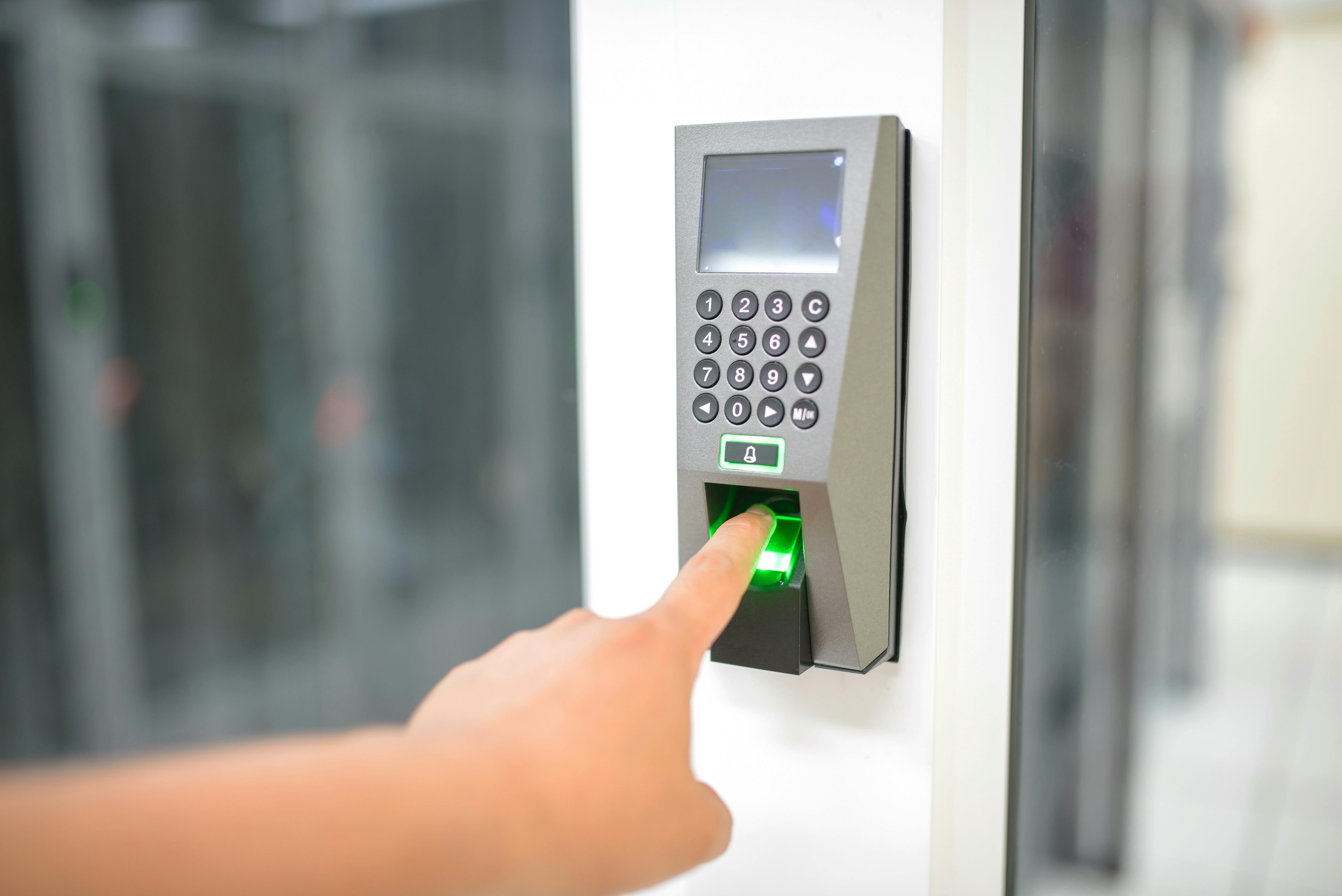
Successful deployments follow clear best practices.
- Conduct a site security assessment
- Define access policies and user roles
- Train administrators and staff
- Regularly update credentials and permissions
- Monitor system performance and logs
Following these steps ensures maximum return on investment and long-term reliability.
Future Trends in Smart Access Control
Smart access continues to evolve with AI-powered analytics, cloud-based management, and advanced facial recognition. Recent reports indicate that by 2027, over 70 percent of enterprises will adopt biometric or mobile-first access systems. Staying informed through a complete guide to smart access helps organizations remain competitive and secure.
Frequently Asked Questions
1. How secure are smart access control systems?
Smart access systems use encrypted credentials and multi-factor authentication, making them significantly more secure than traditional keys.
2. Are biometric attendance systems reliable in high-traffic environments?
Yes. Modern biometric systems are designed for speed and accuracy, even in high-volume facilities.
3. Can smart access systems integrate with attendance tracking?
Absolutely. Integration with attendance and HR platforms improves accuracy and operational efficiency.
4. Is smart access suitable for small and medium enterprises?
Yes. Scalable solutions allow businesses of all sizes to implement cost-effective access control.
5. How long does implementation typically take?
Most systems can be deployed within weeks in Qatar, depending on site size and integration complexity.
Why Enterprises in Qatar Trust Adax Business Systems
Adax Business Systems delivers comprehensive security solutions tailored for modern enterprises across Qatar. From door access control systems for business environments to advanced key management solution platforms, Adax ensures reliable protection and operational efficiency.
Organizations benefit from expert deployment of biometric access control systems, seamless time attendance systems in Qatar, and trusted support as a certified Matrix Argo face recognition system supplier. With proven experience across government, banking, construction, healthcare, and education sectors, Adax empowers enterprises to strengthen security, improve compliance, and scale confidently using intelligent access technologies designed for today’s evolving business landscape.
Contact us today to plan, deploy, and scale smarter access across your facilities.